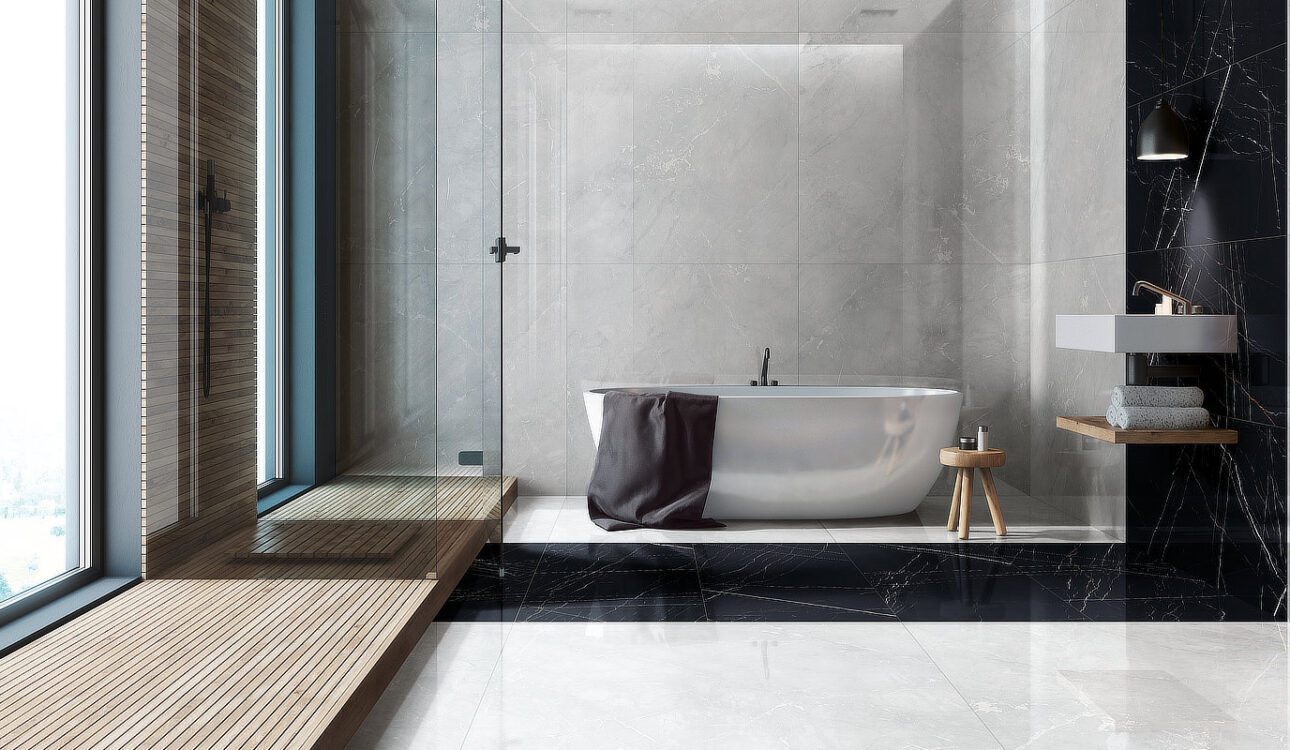
A new kitchen is one of the most exciting investments you can make in your home. It’s more than just a place to cook—it’s where families gather, memories are made, and everyday life happens. However, creating a kitchen that is both beautiful and functional requires careful planning.
Before you finalize your kitchen design, here are some essential tips to help you make informed decisions and avoid costly mistakes.
1. Understand Your Lifestyle
Every family uses our kitchen differently. Ask yourself:
- Do you cook every day or occasionally?
- Do you entertain guests frequently?
- Do you need a breakfast counter or dining space?
- How much storage do you actually require?
Your daily routine should influence every design decision.
2. Prioritize Functionality Over Trends
Modern kitchen trends come and go, but functionality lasts for years. Choose a layout that allows smooth movement between the sink, stove, and refrigerator. This “work triangle” helps create an efficient cooking experience.
A practical kitchen will always outperform one designed only for aesthetics.
3. Plan Your Storage Carefully
One of the biggest regrets homeowners have is not including enough storage.
Consider adding:
- Deep drawers for pots and pans
- Pull-out pantry units
- Corner storage solutions
- Overhead cabinets
- Dedicated spaces for small appliances
Smart storage keeps your kitchen organized and clutter-free.
4. Invest in Quality Materials
Kitchen cabinets, countertops, and hardware experience daily wear and tear.
Choose durable materials such as:
- Quartz or granite countertops
- Moisture-resistant plywood cabinets
- Soft-close hinges and drawer channels
- Scratch-resistant finishes
Higher-quality materials may cost more initially but offer better long-term value.
5. Don’t Ignore Lighting
Lighting plays a significant role in both appearance and functionality.
Use a combination of:
- Ambient lighting for overall brightness
- Task lighting under cabinets
- Pendant lights above islands
- Accent lighting for display areas
Proper lighting makes cooking easier and enhances the overall atmosphere.
6. Select Appliances Before Finalizing Cabinets
Kitchen appliances come in different sizes. Purchasing them after the cabinetry is installed can create fitting issues.
Finalize your:
- Refrigerator
- Chimney
- Built-in oven
- Microwave
- Dishwasher
before completing cabinet designs.
7. Ensure Proper Ventilation
A good chimney and proper ventilation prevent smoke, grease, and odors from spreading throughout your home.
Choose a chimney with sufficient suction capacity based on your kitchen size and cooking habits.
8. Think About Electrical Points
Many homeowners underestimate the number of electrical outlets they need.
Plan sockets for:
- Mixer grinder
- Microwave
- Water purifier
- Coffee machine
- Toaster
- Charging devices
Adding outlets later can be inconvenient and expensive.
9. Choose Easy-to-Maintain Finishes
Glossy finishes look attractive but may require frequent cleaning. Matte finishes, fingerprint-resistant laminates, and stain-resistant countertops can reduce maintenance while maintaining a modern appearance.
10. Work with Experienced Designers
Professional kitchen designers understand ergonomics, space optimization, and material selection. They can help you avoid design mistakes while creating a kitchen tailored to your lifestyle and budget.
A well-designed kitchen combines beauty, functionality, and durability. Careful planning before construction begins can save money, reduce stress, and ensure your kitchen remains enjoyable for years to come.
Take your time, evaluate your needs, and invest in quality where it matters most. Your future self will thank you every time you step into your dream kitchen.