The kitchen is more than just a place to cook—it is one of the most important spaces in a modern home. The right kitchen design can improve functionality, create a welcoming atmosphere, and reflect your personal taste. With so many options available, understanding different kitchen design styles can help you choose a space that feels right for your home.
From sleek modern kitchens to warm traditional interiors, every design style has its own character, materials, colours, and approach to storage. Before planning your kitchen, it is useful to explore the most popular styles and identify the one that best matches your lifestyle.
Why Kitchen Design Style Matters
Choosing a kitchen style is not simply about selecting attractive cabinets or colours. Your choice influences the overall appearance, functionality, lighting, materials, storage solutions, and even how the kitchen connects with the rest of your home.
A well-planned kitchen should balance aesthetics and functionality. The layout should support your daily routine while the design elements create an environment you enjoy spending time in.
1. Modern Kitchen Design
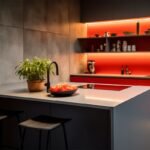
Modern kitchens are known for clean lines, simple forms, and an uncluttered appearance. They often feature handleless cabinets, integrated appliances, neutral colours, and sleek surfaces.
Common features include:
- Minimal cabinet detailing
- Handleless or concealed hardware
- Neutral colour palettes
- Quartz or solid-surface countertops
- Built-in appliances
- Smart storage solutions
Modern kitchen design is ideal for homeowners who prefer a clean and sophisticated environment without unnecessary decorative elements.
2. Contemporary Kitchen Design
Contemporary kitchens focus on current design trends while maintaining practicality. Unlike a strictly modern kitchen, contemporary design can combine different materials, textures, colours, and shapes.
For example, timber finishes can be paired with stone countertops, while statement lighting can add visual interest to an otherwise simple space.
This style works particularly well for homeowners who want their kitchen to feel current but still have room for personal expression.
3. Minimalist Kitchen Design
Minimalism takes the idea of simplicity even further. The goal is to create a calm, organised kitchen where every element has a purpose.
Minimalist kitchens often feature:
- Flat-panel cabinets
- Limited colours
- Concealed storage
- Clean countertops
- Integrated appliances
- Simple lighting
The key to successful minimalist kitchen design is effective storage. When appliances, utensils, and everyday items have designated spaces, the kitchen can maintain its clean appearance.
4. Traditional Kitchen Design
Traditional kitchens create a warm and timeless atmosphere. They often use detailed cabinetry, classic colours, natural materials, and decorative elements.
Raised-panel cabinet doors, wooden finishes, classic hardware, and patterned surfaces are commonly associated with this style.
Traditional design can be a good choice for homeowners who prefer a kitchen with character and a sense of familiarity rather than a highly minimalist appearance.
5. Scandinavian Kitchen Design
Scandinavian-inspired kitchens are known for simplicity, natural materials, and bright interiors. White, light wood, soft neutral shades, and functional furniture are common features.
The style focuses on creating a kitchen that feels:
- Bright
- Comfortable
- Practical
- Uncluttered
- Connected to nature
Natural timber and soft lighting can add warmth to an otherwise simple colour palette.
6. Industrial Kitchen Design
Industrial kitchens take inspiration from factories and commercial spaces. Exposed materials, darker colours, metal finishes, and raw textures are often used to create a bold visual identity.
Popular elements include:
- Exposed brick or concrete finishes
- Metal accents
- Open shelving
- Dark cabinetry
- Pendant lighting
- Industrial-style hardware
This style is particularly suitable for homeowners looking for a more dramatic and unconventional kitchen.
7. Transitional Kitchen Design
Not sure whether you prefer traditional or modern? Transitional design brings elements of both together.
A transitional kitchen might combine classic cabinet proportions with contemporary countertops, modern lighting, and simple hardware.
The result is a balanced interior that feels timeless without appearing outdated.
8. Luxury Kitchen Design
Luxury kitchen design focuses on premium materials, sophisticated detailing, high-quality appliances, and carefully planned lighting.
Large islands, natural stone, premium quartz, custom cabinetry, integrated appliances, and statement lighting can all contribute to a luxurious appearance.
However, luxury is not simply about using expensive materials. Good planning, craftsmanship, proportion, and functionality are equally important.
How to Choose the Right Kitchen Design Style
With so many kitchen design styles available, choosing one can feel overwhelming. Start by thinking about how you use your kitchen every day.
Consider Your Lifestyle
Do you cook frequently? Do you need a large preparation area? Is your kitchen also a space for family gatherings? Your daily habits should influence the layout and storage requirements.
Look at Your Home’s Architecture
The kitchen should complement the overall character of your home. A highly traditional kitchen may feel disconnected from a minimalist contemporary house, while a modern kitchen can complement clean architectural lines.
Think About Maintenance
Different materials require different levels of maintenance. Consider how much time you want to spend cleaning and maintaining countertops, cabinet finishes, backsplashes, and flooring.
Plan Storage Carefully
A beautiful kitchen can quickly become inconvenient if storage is inadequate. Include drawers, tall units, corner solutions, appliance storage, and dedicated spaces for frequently used items.
Choose Materials That Work Together
Cabinet finishes, countertops, backsplashes, flooring, hardware, and lighting should create a cohesive visual language. You do not need every element to match, but they should complement each other.
Can You Mix Different Kitchen Styles?
Absolutely. In fact, combining elements from different styles can create a more personalised kitchen.
For example, you could combine modern handleless cabinetry with natural wood accents or use traditional-inspired cabinet colours with contemporary lighting.
The key is balance. Choose a dominant style and use elements from another style as accents rather than allowing too many competing design directions.
The Importance of Colour in Kitchen Design
Colour can dramatically influence how your kitchen looks and feels. Light colours can make a compact kitchen appear more spacious, while darker shades can create a dramatic and sophisticated atmosphere.
Popular kitchen colour approaches include:
- White and natural wood
- Beige and warm neutrals
- Grey and stone tones
- Deep green
- Navy blue
- Black accents
- Earthy and natural shades
When selecting colours, consider natural light, room size, flooring, and the colour palette used throughout the home.
Lighting Can Transform Your Kitchen
Good kitchen lighting should combine functionality and atmosphere. A layered lighting plan can include general lighting, task lighting, and accent lighting.
Under-cabinet lighting can illuminate work surfaces, pendant lights can highlight an island, and decorative fixtures can add personality to the space.
Lighting should be planned early rather than treated as a finishing detail.
There is no single perfect kitchen design style. The best kitchen is one that reflects your personality while supporting the way you live.
Whether you prefer a modern, minimalist, traditional, Scandinavian, industrial, transitional, or luxury kitchen, focus on creating the right balance between appearance, comfort, storage, and functionality.
Before finalising your design, explore different styles, collect references, understand your practical requirements, and work with an experienced design professional. With thoughtful planning, your kitchen can become both a functional workspace and an important part of your home’s identity.
Milano Ceramica
National Highway, Trichambaram, Taliparamba, Kannur, Kerala | +91 9072 333 222