How textured tiles are replacing paint and wallpaper as a feature-wall choice
A Shift Away from Flat Walls
Feature walls used to mean a bold paint colour or a printed wallpaper panel. Increasingly, homeowners are reaching for 3D and textured tiles instead — surfaces with a raised or sculpted pattern that catches light differently throughout the day, adding depth to a wall without necessarily adding any colour at all.
Where It Works Best
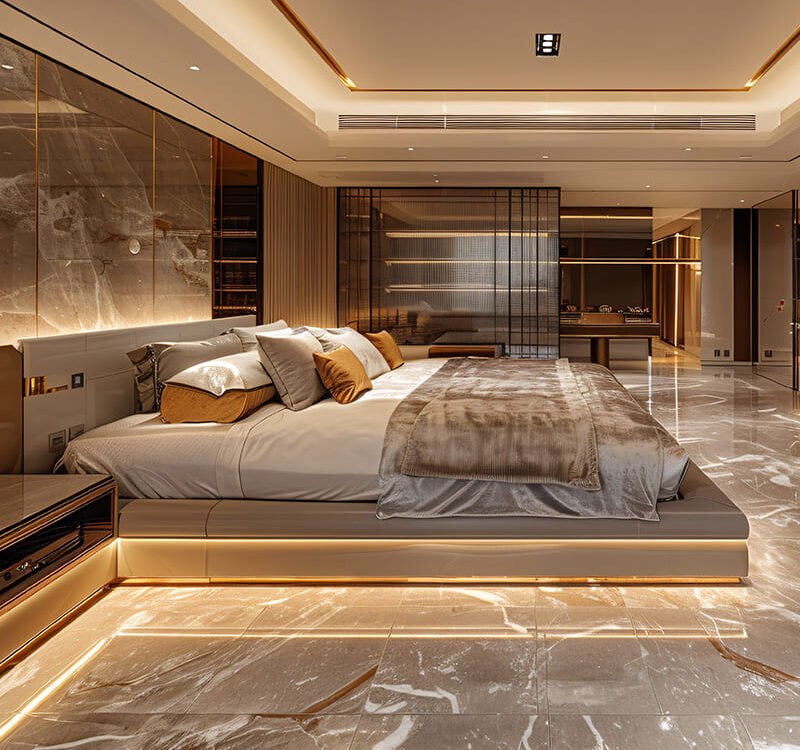
Textured cladding tends to have the most impact on a single accent wall — behind a bed headboard, a TV unit, or a dining area — rather than across an entire room, where it can start to feel busy. Because the effect relies on light and shadow, these walls often look noticeably better with a well-placed spotlight or wall-wash lighting than under flat, even ceiling light.
Material and Finish Options
Textured wall tiles are available in matte stone-look finishes for a more natural, understated feel, or in glossy and metallic finishes for spaces meant to read as more formal or dramatic. Neutral tones — soft greys, warm whites, sandy beiges — tend to age better than trend-driven colours, since the texture itself is usually the main visual interest rather than the colour underneath it.
Installation Considerations
Textured tiles are heavier and less forgiving to install than flat tiles, since uneven adhesive application can show up clearly once light hits the raised surface at an angle. It’s worth having an experienced tiler handle any 3D or heavily textured cladding, and worth seeing a sample panel installed and lit before committing to covering an entire wall.
Milano Ceramica
National Highway, Trichambaram, Taliparamba, Kannur, Kerala | +91 9072 333 222