A short, practical guide to the vitrified tile terms thrown around in every showroom
Why the Terminology Gets Confusing
Walk into any tile showroom and you’ll hear GVT, PGVT, and full-body vitrified used almost interchangeably by sales staff, even though they describe genuinely different products. Knowing what each term means makes it much easier to compare tiles on their actual merits rather than on price alone.
GVT — Glazed Vitrified Tiles
GVT tiles have a printed design layer glazed onto a vitrified base, which allows for highly detailed patterns, including realistic marble, wood, and stone finishes at a lower cost than the real material. The trade-off is that the design sits only on the surface, so a deep chip or heavy scratch can reveal the plain base layer underneath.
PGVT — Polished Glazed Vitrified Tiles
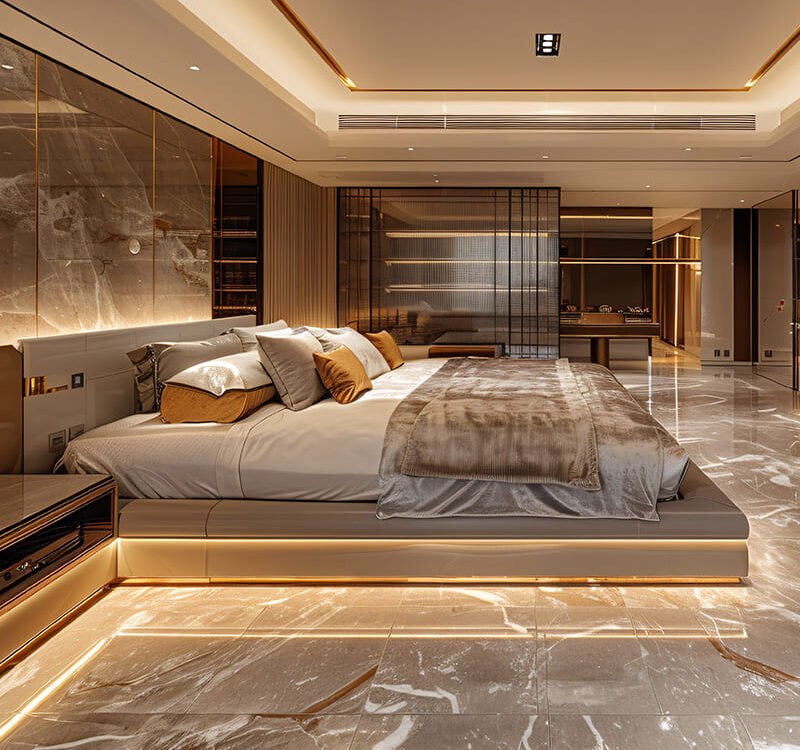
PGVT tiles go through an additional polishing step after glazing, giving them a high-gloss, mirror-like finish that’s popular for living rooms and formal spaces where a premium look matters. That same glossy finish is more slippery when wet, which is why PGVT is rarely recommended for bathrooms, kitchens, or outdoor areas regardless of how good it looks in a showroom.
Full-Body Vitrified Tiles
Full-body tiles have the same colour and pattern running consistently through the entire thickness of the tile, not just printed on top. This makes them significantly more resistant to visible wear in high-traffic commercial spaces and heavily used home areas, since even a deep scratch or chip won’t expose a different-coloured layer underneath. They typically cost more than GVT but are the more durable long-term choice for areas that see constant footfall.
Milano Ceramica
National Highway, Trichambaram, Taliparamba, Kannur, Kerala | +91 9072 333 222